Key facts: Restaurant grease backups
- Riverside treats a grease interceptor as improperly maintained once its working capacity is cut by more than 25 percent [1].
- Where required, Riverside's minimum interceptor is 750 gallons, installed before the restaurant opens [1].
- Enzymes and emulsifiers are prohibited in Riverside grease interceptors [1].
- Pump receipts and waste manifests must be kept on site for at least three years [1].
Why do grease traps back up?
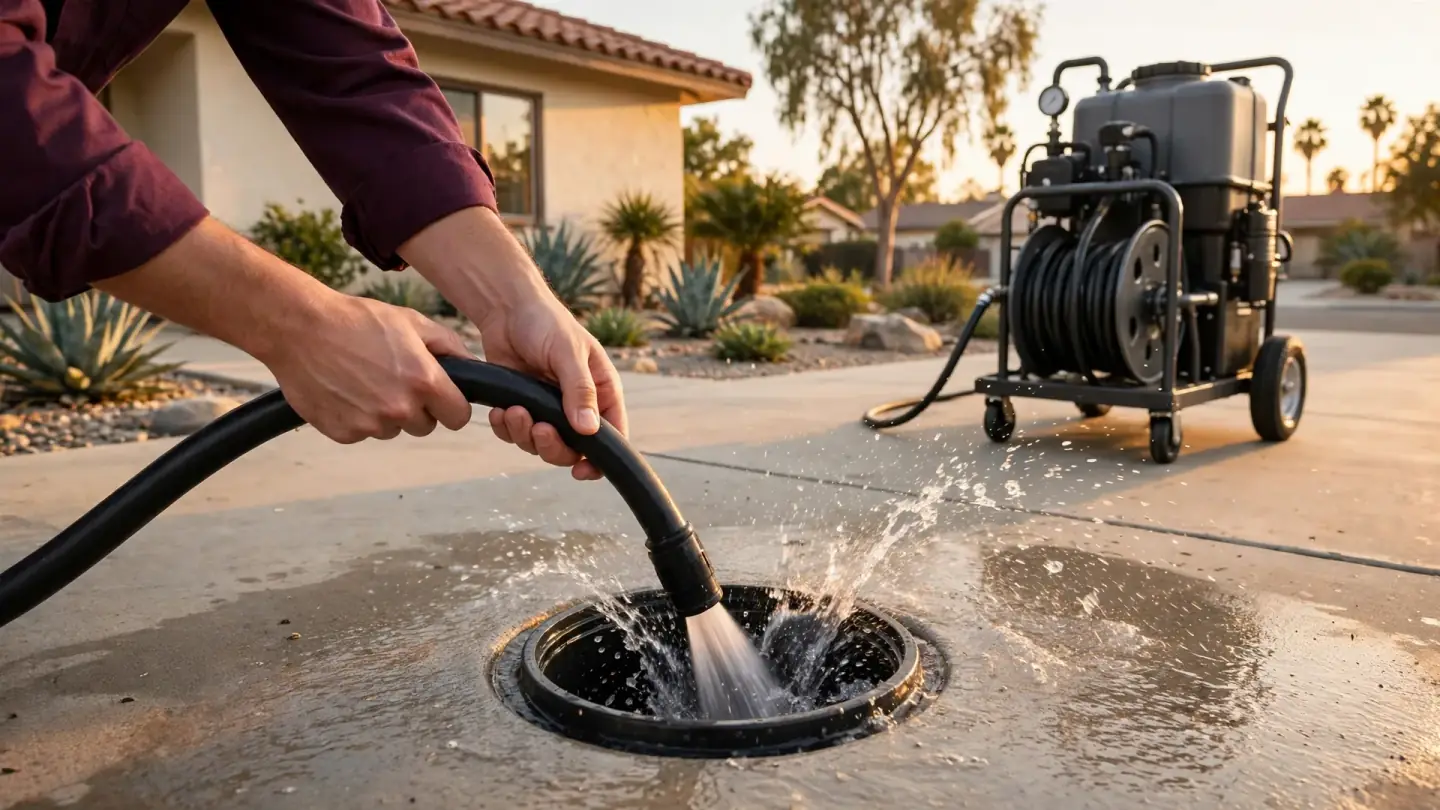
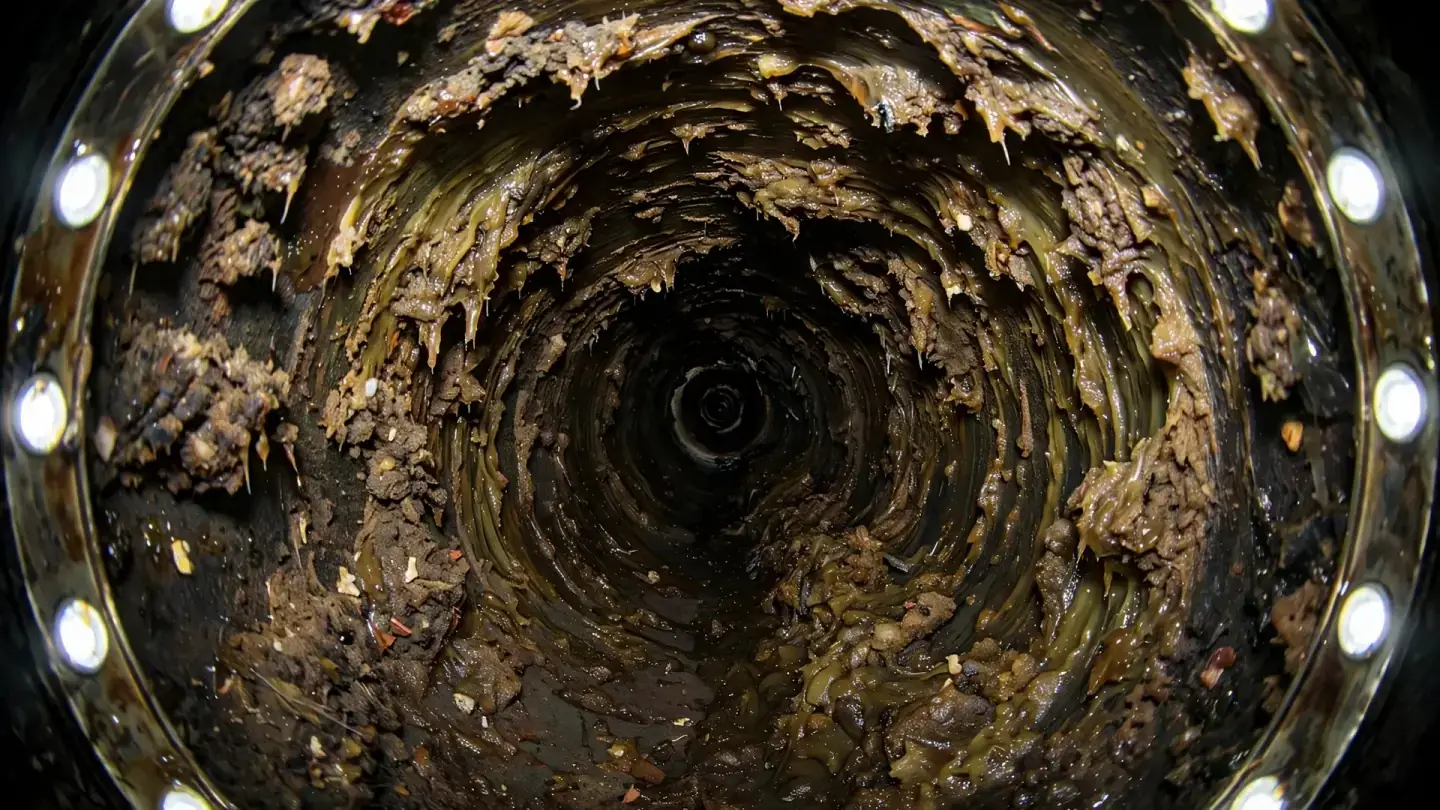
A grease trap or interceptor slows kitchen wastewater so fats float and food solids sink, letting cleaner water continue to the sewer. It backs up for three main reasons. It's full: grease and solids have built up until there's no working capacity left. The line feeding it is coated or blocked with grease before the water even arrives. Or the outlet is blocked, often by grease that escaped and set in the line downstream.
Riverside's rules set a clear benchmark for 'full'. The city's Environmental Compliance Section treats an interceptor as not properly maintained when accumulated material has reduced its working capacity by more than 25 percent [1]. A kitchen that waits until the interceptor is visibly overflowing is already well past that point.
Symptom table
Grease backup symptoms
| What you see | Likely cause | What to do |
|---|---|---|
| All floor sinks slow at peak service | Interceptor near capacity or inlet line coated | Pump interceptor; jet inlet line |
| One floor sink slow | Its basket, outlet or branch | Empty basket; clean outlet |
| Rancid odour near the interceptor lid | Interceptor overdue for pumping | Arrange full pump-out |
| Grease visible at a downstream cleanout | Grease escaping the interceptor | Check baffles; review pumping interval |
| Interceptor lid weeping | Outlet blocked or interceptor full | Stop discharge; report overflow; clear |
| Line blocks again right after cabling | Grease coating the full pipe | Hydro jetting |
Where kitchen grease enters the system
Safe checks
Safe checks for kitchen staff
- Empty floor sink baskets and sink strainers into the trash.
- Check the interceptor pumping log: when was the last full pump-out?
- Look for grease at the downstream cleanout if one is accessible and safe to open.
- Make sure fryer oil goes to the waste oil container, not the drain.
- Don't open an interceptor lid without proper procedures; it holds wastewater and gases.
- Never add enzymes or emulsifiers; Riverside prohibits them in interceptors [1].
What does Riverside require of restaurant grease interceptors?
Riverside's Environmental Compliance Section, at 5950 Acorn Street, enforces Municipal Code Chapter 14.12 through a federally approved pretreatment inspection programme [1]. Restaurants must obtain a determination on whether a grease interceptor is required, based on a wastewater discharge survey and menu. Where one is required, the city's minimum is 750 gallons, sized by drainage fixture units, and it must be installed before the restaurant opens [1].
Maintenance requirements include removing the entire contents at each cleaning, no enzymes or emulsifiers, and keeping pump receipts and waste manifests in an on-site binder for at least three years. Inspectors check drains, interceptors, waste oil containers and records, and interceptor overflows must be reported promptly [1]. The city's restaurant guidance sets out kitchen practices such as dry wiping and using strainers [2].
Why the city cares about restaurant grease
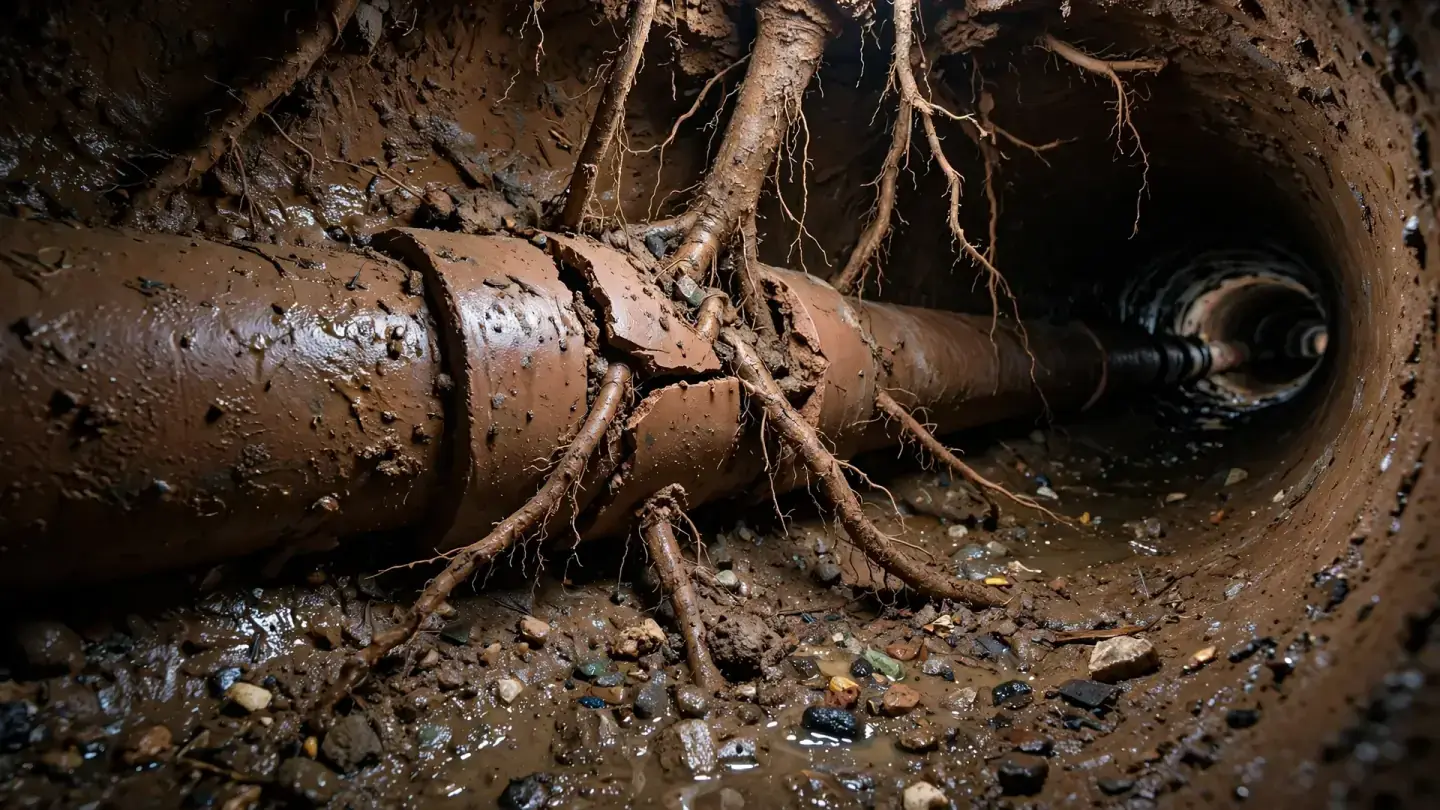
Grease that leaves a restaurant doesn't stay liquid. In the public sewer it cools and sets, combining with wipes and debris into blockages that can cause sewer overflows. The city's Sewer System Management Plan addresses fats, oils and grease as part of preventing overflows [3], and Riverside's sewers carry wastewater through more than 800 miles of public pipe to the Regional Water Quality Control Plant [4]. A backed-up interceptor is the restaurant's problem first, but escaped grease becomes everyone's.
Diagnosis
How a contractor diagnoses a grease backup
- 1
Check the interceptor's condition
Level of grease and solids, damaged baffles or tees, and when it was last pumped.
- 2
Test the inlet line
Run water from the kitchen and watch whether it reaches the interceptor freely.
- 3
Test the outlet
If the interceptor is full but the kitchen line is clear, the outlet or downstream line may be blocked.
- 4
Clear and jet
Lines are cabled to relieve any blockage, then jetted to remove grease coating.
- 5
Coordinate pumping
A licensed hauler pumps the interceptor; cleaning lines into a full interceptor pushes grease through.
- 6
Film the line if backups recur
Footage shows sags, damaged pipe or grease buildup that explains recurring trouble.
Fixing it for good
The fix that lasts has three parts: a pumping interval that keeps the interceptor below the city's 25 percent threshold, a jetting schedule for the kitchen lines, and kitchen habits that keep grease out of the drains in the first place. Busy kitchens may need pumping and jetting more often than quieter ones. Recording each backup and service visit makes the right interval obvious over time.
If the interceptor's baffles are damaged or it's undersized for the current menu and volume, maintenance alone won't solve it. That's a conversation with the city's Environmental Compliance Section and a qualified contractor.
Menu changes deserve attention too. A restaurant that adds fried items, switches to more roasted meats or extends its hours sends more grease into the same system. If backups started after a menu or volume change, mention it; the pumping interval and jetting schedule that worked before may no longer be enough, and the original interceptor determination may need revisiting.
More reading on the guides page includes hard water scale in kitchen lines and gurgling fixtures. Kitchens with repeat backups usually need commercial drain cleaning on a schedule.
Prevention
Kitchen habits that prevent backups
- Dry-wipe plates, pans and utensils into the trash before washing.
- Use strainers in every sink and floor sink; empty them often.
- Collect fryer oil and liquid fats in waste oil containers.
- Train every new staff member; turnover undoes good habits fast.
- Don't flush grease with hot water or degreasers; it sets downstream.
- Keep the maintenance binder current with pump receipts and manifests.
Tell the pro
What the kitchen manager should tell the contractor
- Which drains are backing up and at what times.
- When the interceptor was last pumped and by whom.
- Where the interceptor and cleanouts are, and how to access them.
- Your service hours and when work can happen.
- Any recent inspection notes from Environmental Compliance.
FAQ
Grease trap questions
How often does a restaurant grease interceptor need pumping in Riverside?
A Riverside restaurant grease interceptor needs pumping often enough that grease and solids never cut its working capacity by more than 25 percent. The city treats a fuller interceptor as improperly maintained. Busy kitchens may need frequent service, so track how fast yours fills and set the schedule from that.
Can we put enzymes in our restaurant grease trap?
Enzymes and emulsifiers are prohibited in Riverside grease interceptors. These products break grease into droplets that pass through and harden in the public sewer, causing blockages downstream. The city expects full pump-outs, so rely on pumping, scraping plates and good sink habits instead of additives.
What size grease interceptor does a Riverside restaurant need?
Where Riverside requires a grease interceptor, the minimum size is 750 gallons, and it must be installed before the restaurant opens. The city's Environmental Compliance staff decide whether one is needed based on the operation. Ask them early when planning a new kitchen or a menu change.
Do we have to report a grease interceptor overflow to the city?
A grease interceptor overflow that reaches the street, alley or storm drain should be reported to the City of Riverside, since spills can enter waterways. Stop discharging water to the kitchen drains, contain the spill and keep it away from storm inlets. Then call to arrange pumping and line cleaning.
Why do our restaurant floor sinks only back up during the dinner rush?
Floor sinks back up during a rush because the drain line is partly narrowed and cannot handle peak flow. Grease, food solids and scale shrink the pipe until high-volume washing exceeds its capacity. Jetting the line and checking whether the interceptor is near capacity usually fixes the timing pattern.
How long do restaurants in Riverside have to keep grease pumping records?
Riverside restaurants must keep grease interceptor pump receipts and waste manifests on site for at least three years. Inspectors may ask to see them, and gaps can look like missed maintenance. Keep them in one binder or folder with dates, volumes removed and the hauler's details.
What are the first signs a restaurant grease trap is about to back up?
The first signs of a grease trap backup are slow floor sinks, gurgling at the prep sinks and grease odours near the interceptor lid. Water lingering in sinks after the rush is another clue. Acting at these signs, by pumping and line cleaning, is easier than dealing with an overflow during service.
Sources and citations
- [1]City of Riverside Environmental Compliance Section: Restaurant wastewater discharge survey and grease interceptor requirements
- [2]City of Riverside Public Works: Best management practices for restaurants and food service
- [3]City of Riverside Public Works: Sewer System Management Plan (2025)
- [4]City of Riverside Public Works: Regional Water Quality Control Plant