
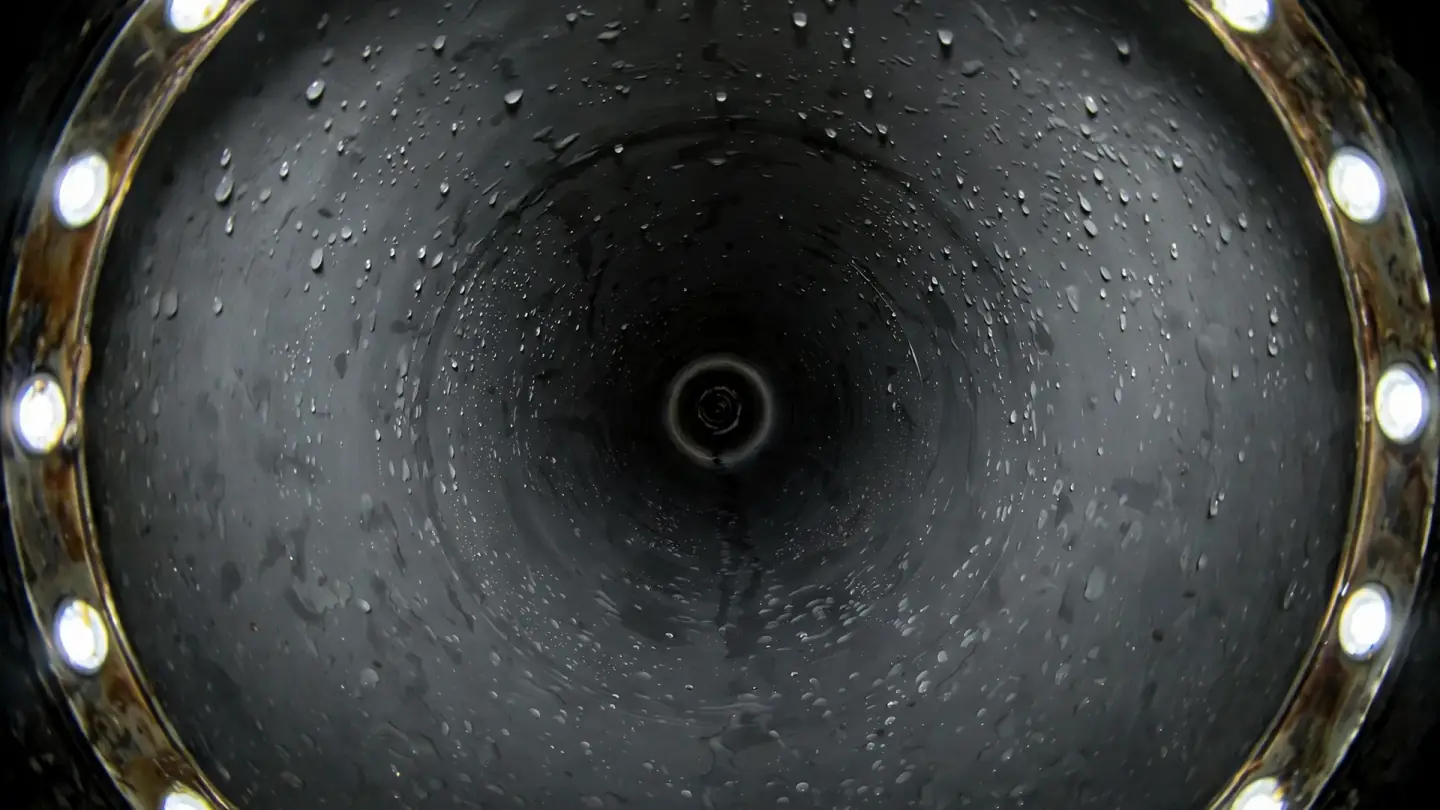
Key facts: Preventative Maintenance
- Preventative drain maintenance sets a cleaning interval from inspection evidence: how fast roots, grease or scale are closing each line.
- Riverside's water hardness ranges from 180 to 210 mg/L, so scale builds steadily in older metal drains [1].
- Riverside owners maintain their lateral and cleanout running from the home to the lot line [2].
- Riverside treats a grease interceptor as improperly maintained once accumulated material cuts its working capacity by more than 25 percent [3].
The idea behind scheduled drain care
A drain doesn't go from clean to blocked overnight. Grease layers build with every wash, mineral scale thickens with every gallon of hard water, and roots extend a little further into a joint each season. By the time a fixture backs up, the line has usually been narrowing for months or years. Preventative drain maintenance turns that slow process into a schedule: find out how fast your lines are closing, then clean them before they reach the point of failure.
The schedule is specific to the building. A single-person household with no disposal may never need one. A family in a 1920s house with a clay lateral under a mature tree may need root cutting at a regular interval. A restaurant may need its kitchen line jetted on a cycle tied to its interceptor pumping. The point is to base the interval on evidence, not on a generic rule.
Nothing on this page is a package or a contract. It describes how a maintenance approach works, so you can discuss it with the contractor you're connected with and decide what, if anything, suits your property. Scheduled care complements every job on the drain services hub.
Who it suits
Who needs a drain maintenance schedule?
Homes with a root history
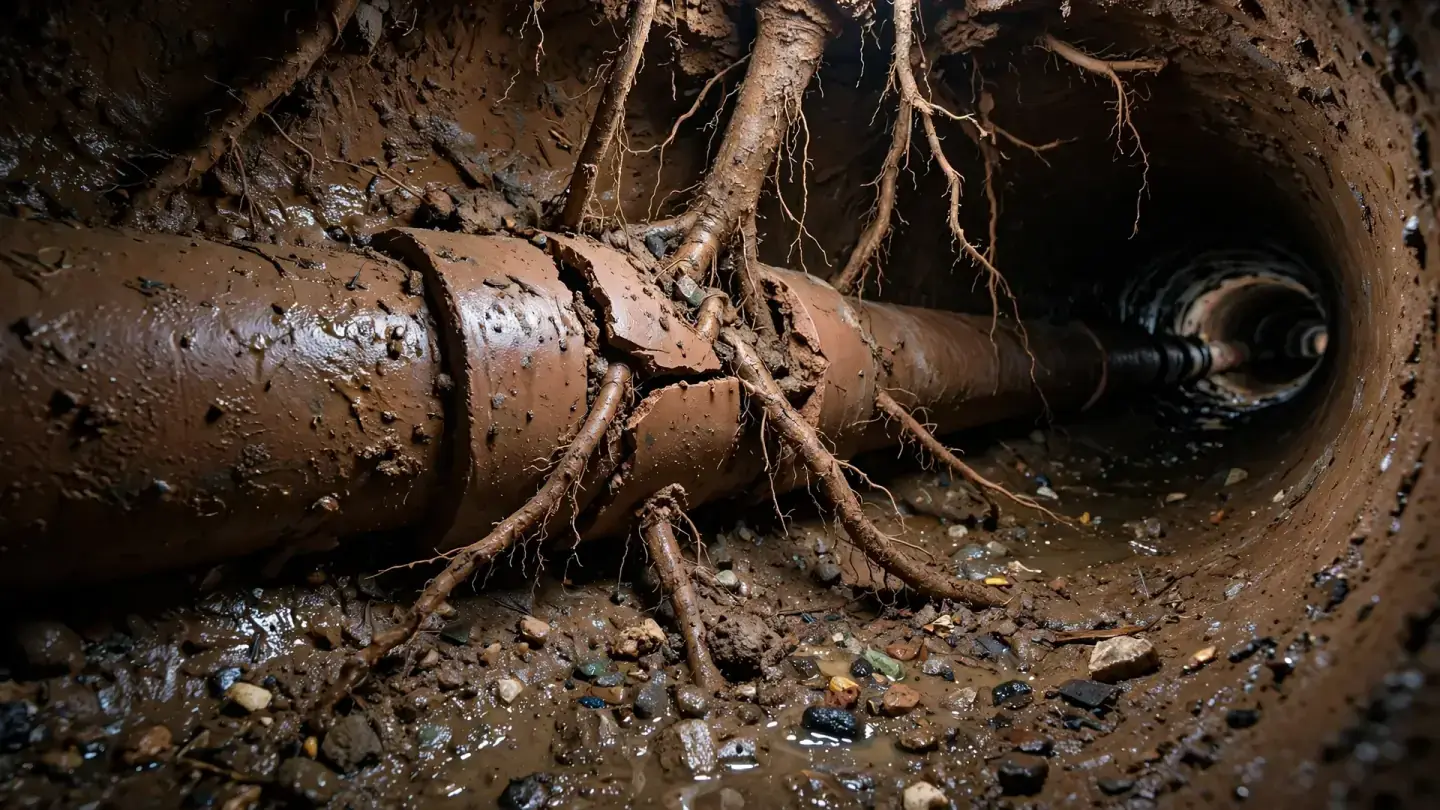
A lateral that has had roots cut out once will grow them back at the same joint.
Read moreRestaurants and food businesses
Grease loads are high and Riverside's FOG rules expect lines and interceptors to be maintained.
Read moreRental properties
Tenants change; their habits do too. Scheduled cleaning prevents emergency calls between tenancies.
Multi-unit buildings
Shared kitchen stacks and laterals concentrate many households' grease.
Older homes with scale-prone pipe
Cast iron and galvanised lines in hard-water areas narrow steadily.
Read more
Routine cleaning from the cleanout
Building the plan
How a maintenance plan is built
- 1
Baseline inspection
The main line and any problem branches are cleaned and filmed. The footage records material, defects and the amount of buildup.
- 2
Identify the drivers
The contractor names what is closing the line: roots at a joint, grease in the kitchen branch, scale in old iron, a belly that holds sludge.
- 3
Set an interval
Based on how much buildup was found and how long since the last cleaning, a cleaning interval is proposed for each line that needs one.
- 4
Agree the method
Root cutting, jetting, descaling or a combination, matched to the driver and the pipe material.
- 5
Record each visit
Debris, findings and any footage are logged so the next visit can compare.
- 6
Adjust
If a line is cleaner than expected at the next visit, the interval lengthens; if it is worse, it shortens or a repair conversation starts.
Drivers
Typical maintenance drivers and methods
| Driver | Where | Scheduled method | What changes the interval |
|---|---|---|---|
| Tree roots | Lateral joints in clay or older pipe | Root cutting, then jetting | Tree growth, season, joint condition |
| Kitchen grease | Kitchen branch, commercial lines | Jetting | Cooking volume, staff practices |
| Hard-water scale | Old cast iron and galvanised lines | Descaling heads or rotating nozzles | Water softening, pipe age |
| Belly or sag | Low sections of a lateral or slab line | Flushing and jetting | Severity of the sag |
| Wipes and paper | Toilets, restrooms, laterals | Cabling and flushing | Occupant habits, signage |
| Lint and soap | Laundry branches | Small-line jetting | Laundry volume, lint traps |
Household habits
Habits that stretch the interval
- Keep fats and oils out of every drain; wipe pans and collect cooking oil for disposal.
- Use strainers in kitchen and bath drains and empty them into the bin.
- Flush only toilet paper. Wipes labelled flushable still tangle in pipes.
- Refill rarely used traps, such as guest baths and floor drains, every few weeks.
- Plant new trees well away from the sewer route between house and street.
- Know where your cleanout is and keep it accessible and capped.
Why maintenance fits Riverside
Three local conditions make scheduled drain care more useful in Riverside than in many places. First, hard water: Riverside Public Utilities reports hardness between 180 and 210 milligrams per litre, averaging about 12 grains per gallon [1]. That scale builds steadily in drains, especially in older metal pipe.
Second, housing age and trees. The Wood Streets were built almost entirely before the Second World War [4], Arlington Heights traces its settlement to 1875 [5], and both have mature street trees and older clay laterals that roots enter. Root regrowth is predictable, which makes it a classic maintenance item.
Third, ownership. Riverside owners are responsible for their sewer lateral and cleanout, from the foundation out to the edge of the lot [2]. Maintaining that private section is the owner's job, and a schedule is a straightforward way to do it. For food businesses, the city's Environmental Compliance Section treats an interceptor as improperly maintained once its working capacity is reduced by more than a quarter [3], which in practice means maintenance is expected, not optional.
A first maintenance visit, step by step
For a homeowner, the first visit usually starts at the main cleanout. The contractor clears the lateral, notes what came back on the cutter and then films the line to the property line. If a kitchen or bathroom branch has given trouble, that line is cleaned and filmed too. You'll see where the buildup is, what kind it is and how much there is. That evidence is what any schedule is built from.
The contractor then explains, in plain terms, what they'd expect to find if they came back after a given period, and why. Roots at a clay joint might justify a return visit within a year. A grease film in a kitchen line might justify a longer interval paired with changes at the sink. A clean, sound plastic lateral might justify nothing at all except knowing where the cleanout is.
Ask to see the footage and ask what would change the recommendation. A good maintenance plan has reasons you can repeat back.
Combining maintenance with fixture care
Scheduled line cleaning works best alongside the small fixture tasks that prevent buildup at the source. Cleaning pop-up stoppers and shower strainers, descaling faucet aerators and toilet rim jets, emptying sink strainers and running water through unused traps all slow the process that eventually closes a drain. None of them takes long, and they reduce how often the contractor needs to return.
For businesses, the equivalent is staff practice: scraping plates, emptying floor sink baskets, using waste oil containers and keeping restroom bins stocked. A maintenance schedule is not a substitute for those habits, but together they keep a building's drains predictable.
Maintenance for landlords and property managers
Rental properties have a particular problem: the people using the drains are not the people who pay for the repairs, and they change. A tenant who pours grease down the sink or flushes wipes may move out before the consequences arrive. Scheduled cleaning between tenancies, or on a fixed interval for multi-unit buildings, keeps the system in a known state and reduces emergency calls.
Records help here too. A log of cleaning dates, findings and footage gives an owner a history of each building's drains, which is useful when deciding about repairs, when selling, or when a tenant reports a problem. Ask the contractor what records they can provide after each visit.
When is maintenance no longer enough?
Maintenance is a good answer to buildup. It is a poor answer to a broken pipe. If camera footage shows a collapsing section, a large offset or a cracked pipe letting soil in, scheduled cleaning keeps it limping along while the damage grows. At that point the honest conversation is about repair. A contractor should be willing to tell you when a line has moved from 'maintain' to 'repair', and show you the footage that supports it.
Equally, a line that comes up clean at two consecutive visits may not need a schedule at all. A good plan shrinks as well as grows.
Seasonal patterns worth knowing
Root growth tends to follow the growing season and the availability of water. In a dry inland climate, a leaking sewer joint is a reliable water source, and roots will seek it. Many owners with a root history find that scheduling root cutting before the period of fastest growth keeps the lateral clear through the year. The contractor's footage from each visit shows whether the timing is working.
Kitchens have their own seasons. Holiday cooking sends more fat down the drain in a few weeks than in the months before, and many kitchen line stoppages follow big family meals. A kitchen line cleaned ahead of the busy season starts it with full capacity. Restaurants see similar peaks around events and holidays, which is why many schedule their jetting and interceptor service around them.
Records
What a maintenance visit record should show
- The date, the lines cleaned and the access points used.
- The method and equipment: root saw, jetting nozzle, descaling head.
- What came out: roots, grease, scale, wipes, sludge, and roughly how much.
- Camera findings, with distances, and whether anything changed since the last visit.
- The recommended interval for the next visit and the reasoning behind it.
FAQ
Preventative maintenance questions
How often should the drains in a house be professionally cleaned?
Most houses do not need drains professionally cleaned on a fixed schedule; cleaning should follow what actually builds up. A home with a root-prone lateral or a heavy-use kitchen may benefit from regular service, while others go years without help. A camera inspection after a cleaning helps set a realistic interval.
Is a drain maintenance plan the same as a service contract?
A maintenance plan is simply a schedule of visits agreed between you and the contractor. Any written terms, frequency or commitments are set by that company, not by this referral service. Read any agreement carefully and ask what each visit includes before signing anything.
Can monthly enzyme drain treatments replace professional drain cleaning?
Enzyme and bacterial treatments can slow the build-up of organic film in household drains, but they do not remove scale, roots or established grease. They work slowly and need regular use. Treat them as a supplement to good habits rather than a replacement for mechanical cleaning.
Can regular drain maintenance stop tree roots from coming back for good?
Regular cleaning keeps roots trimmed back but cannot stop them permanently, because roots re-enter through the same cracked joints. Lasting control needs the entry points repaired or the pipe lined or replaced. Scheduled cutting is a practical holding strategy while you plan a repair.
What records should I keep after each drain cleaning visit?
Keep the date, which line was cleaned, the method used, what was found and any camera footage or notes. Those records show how fast build-up returns and help set the next visit. They are also useful when selling a house or comparing advice from different contractors.
Is preventative drain maintenance worth it for a rental property?
Preventative maintenance often makes sense for rentals, because tenants may not report slow drains until a backup happens. Scheduled checks on kitchen and main lines reduce surprise calls. Landlords should also give tenants simple guidance on grease, wipes and hair to reduce what goes into the drains.
Does preventative drain maintenance need to be done at a specific time of year?
Preventative drain maintenance does not have to be done in a particular season, but timing around heavy-use periods helps. Some owners schedule kitchen line cleaning before holiday cooking, and root-prone laterals before roots grow most actively. Ask the contractor what timing suits your line.
Sources and citations
- [1]Riverside Public Utilities: 2025 Water Quality Report (hardness)
- [2]City of Riverside Wastewater Division: Home sewer line maintenance brochure
- [3]City of Riverside Environmental Compliance Section: Restaurant wastewater discharge survey and grease interceptor requirements
- [4]City of Riverside Housing and Human Services: Wood Streets neighborhood
- [5]City of Riverside: At Home in Riverside, Arlington Heights