Key facts: Emergency Commercial Drain
- Riverside's restaurant requirements call for grease interceptor overflows to be reported promptly to Environmental Compliance [1].
- Keep commercial wastewater out of storm drains; they discharge without treatment.
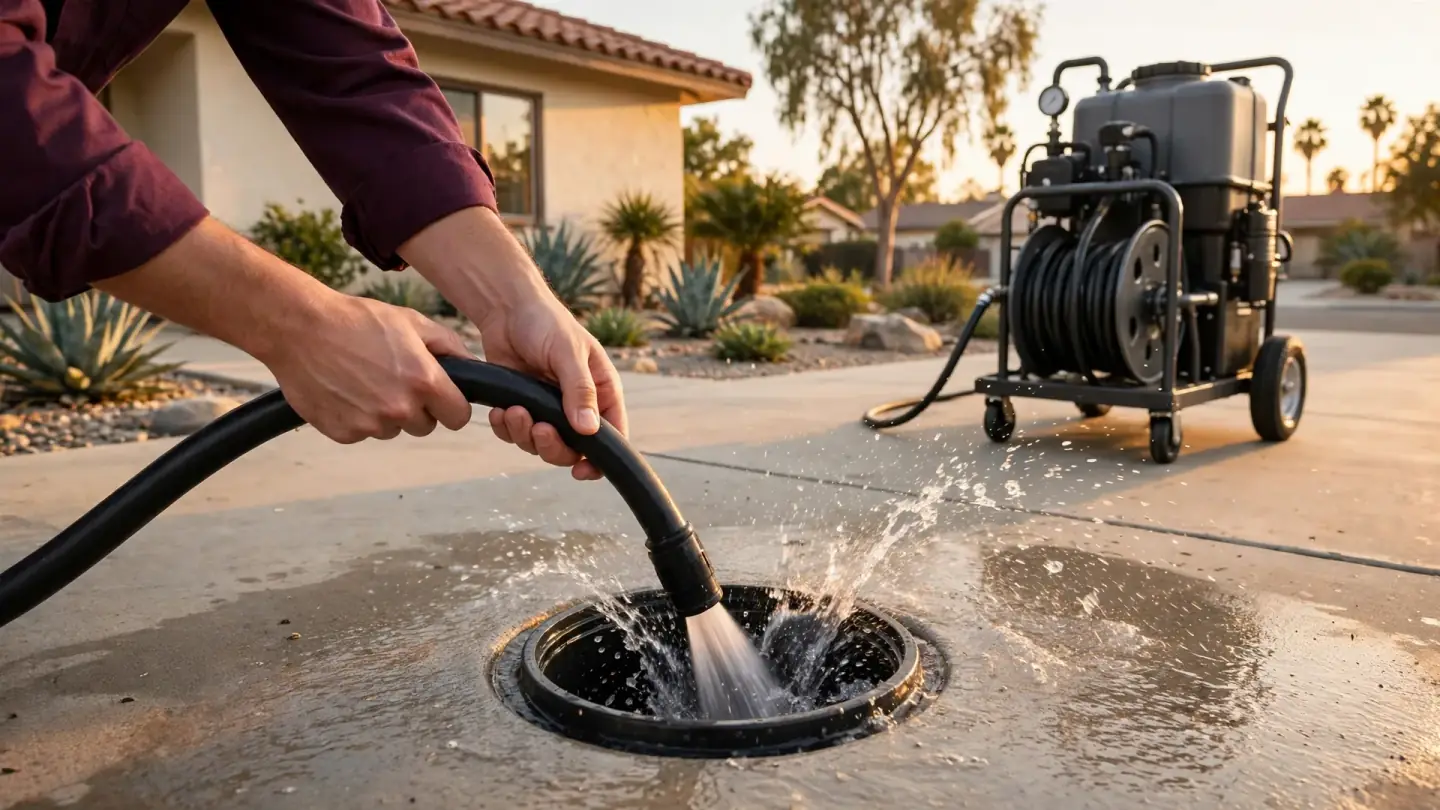
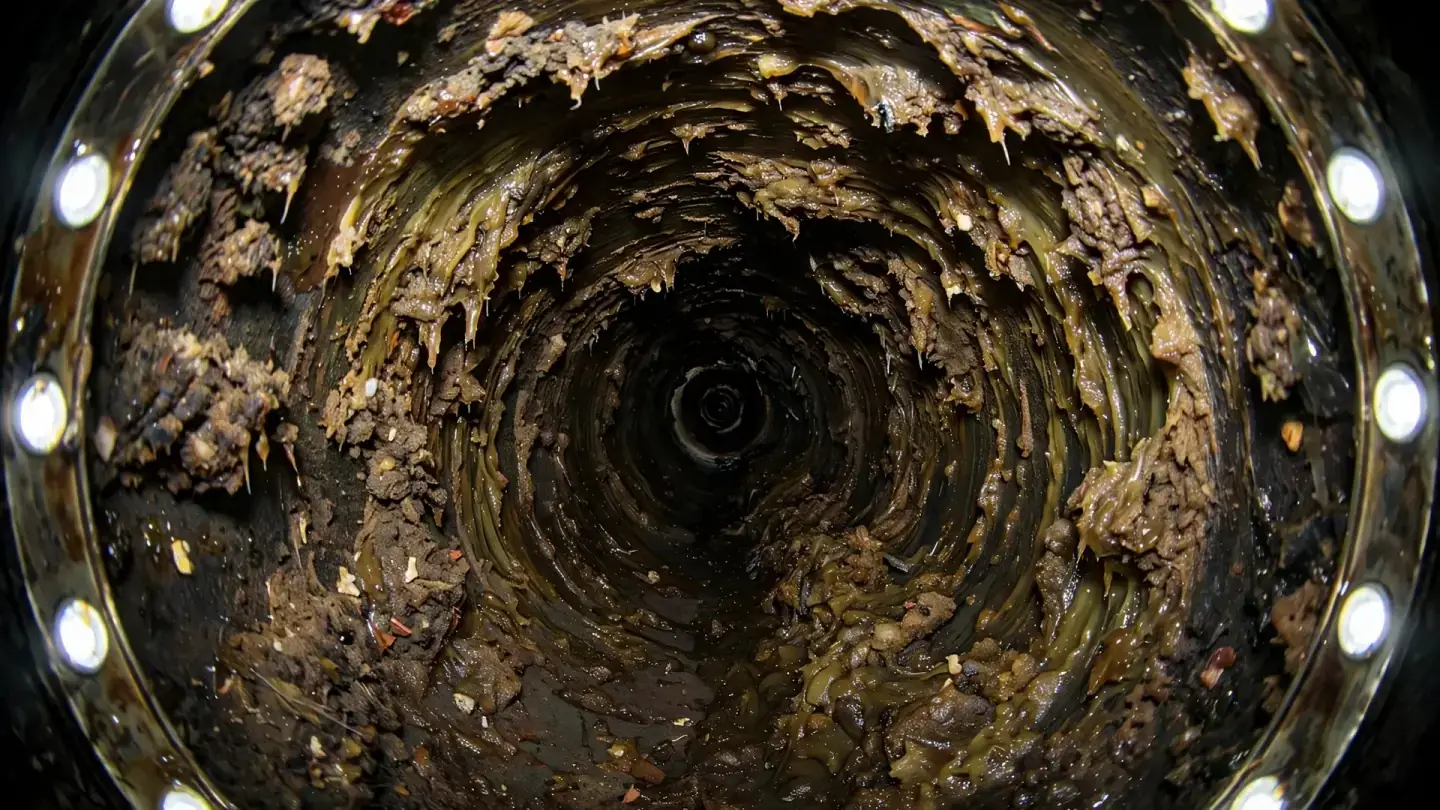
- Grease-lined kitchen lines are cabled to relieve the backup, then jetted so they don't re-block during service.
- Riverside's FOG programme inspects drains, interceptors, waste oil containers and records under RMC 14.12 [1].
Business first, drain second
When a commercial drain backs up, the first decisions are operational. Can the affected area be closed off? Does food prep need to stop? Are customers or tenants exposed to wastewater? A restaurant with floor sinks filling has a food safety issue; an office with a flooding restroom has a slip and sanitation issue; an apartment building with a stack backup has tenants in several units affected at once.
Getting those decisions made quickly limits the damage and makes the contractor's work faster, because the area is already clear when they arrive.
Signs
What counts as a commercial drain emergency?
Floor sinks filling during service
A kitchen line or the line to the interceptor is closing under load.
Read moreInterceptor lid weeping or overflowing
The interceptor is full or the line beyond it is blocked; this can need reporting.
Restroom toilets overflowing
Paper towels, wipes or products in a restroom branch.
Ground-floor units backing up
A shared stack or building drain is blocked.
Read moreSewage at an exterior cleanout or parking lot
The building sewer is full; wastewater may reach storm drains.
Contain
Containing a commercial backup
- 1
Stop water to the affected area
Halt dish machines, prep sinks and ice machine discharges, or close the restroom. In multi-unit buildings, notify tenants to stop using water.
- 2
Close off the area
Cones, signs or closed doors keep customers and staff out of wet or contaminated areas.
- 3
Protect food and supplies
Move food, packaging and clean equipment away from floor sinks and drains that are backing up.
- 4
Keep wastewater out of storm drains
If sewage reaches a parking lot, block nearby storm drain inlets with sandbags or mats if you can do so safely.
- 5
Report interceptor overflows
Riverside's restaurant requirements call for interceptor overflows to be reported promptly to the Environmental Compliance Section [1].
- 6
Gather information
Interceptor pumping records, cleanout locations and any recent maintenance notes help the contractor.
A kitchen floor sink during a backup
Contacts
Who to call
- A drain contractor for the blocked lines. Call to check emergency availability; your call connects you to an independent local contractor who speaks with you directly.
- A licensed grease hauler if the interceptor is full and needs pumping.
- The City of Riverside Environmental Compliance Section for interceptor overflows, using the city's current contact details.
- The city's Public Works sewer division if sewage is surfacing at the street or affecting neighbouring properties.
- The property owner or manager, if you're a tenant, before approving work on shared lines.
What does an emergency commercial drain crew do?
The contractor first relieves the backup, usually from the nearest cleanout with a cable machine sized for the line, so the business can drain and resume. Kitchen lines coated in grease are then jetted to bare pipe, because cabling alone tends to re-block during the next rush. The contractor checks the interceptor's level and condition and tells you if it needs pumping before the lines will stay clear.
Restroom and stack backups are cleared with sectional machines, and the debris often explains the cause: paper towels, wipes, sanitary products. In multi-unit buildings, the contractor may work from the base of the stack and check each floor's fixtures afterwards. Scheduled cleaning that can prevent a repeat is covered on the commercial drain cleaning page.
Riverside commercial context
Riverside's Environmental Compliance Section enforces Municipal Code Chapter 14.12 through a federally approved pretreatment inspection programme, inspecting restaurant drains, interceptors, waste oil containers and records [1]. A backup is a good moment to check that your maintenance binder is up to date, with pump receipts and manifests for at least three years.
Older commercial buildings, especially downtown, where the Main Street mall dates from the 1960s [2] and many buildings are older still, often have cast iron and clay drains, shared laterals and awkward cleanout access. Knowing where your building's cleanouts are before an emergency saves time during one.
Restrooms during events and peak hours
Public restrooms fail under load. A busy weekend, an event or a holiday crowd sends more paper and more products through restroom branches than they handle on a normal day, and a toilet blocked with paper towels can overflow onto a floor customers walk across. Close the restroom as soon as an overflow happens, and put up a sign rather than relying on staff to warn people.
When the contractor clears the line, ask what came out. Paper towels and sanitary products in a toilet line usually point to missing bins or unclear signage, both easy fixes. Wipes from a baby-changing station, or hand towels from a dispenser placed right beside the toilet, are common culprits in commercial restrooms.
Preventing the next one
Most commercial drain emergencies repeat on a pattern: a kitchen line that closes every few months, a restroom that floods after events, a stack that fails each holiday season. Recording when and where each backup happens, and what came out of the line, turns that pattern into a schedule. Ask the contractor what interval they would suggest for jetting and how it should line up with interceptor pumping.
Staff practices matter just as much: dry wiping, strainers, waste oil containers and restroom signage. Riverside's restaurant guidance sets out those practices [3], and following them keeps both the private lines and the public sewer clear.
FAQ
Commercial emergency questions
What should a restaurant do first when the kitchen floor drains back up?
A restaurant with backed-up floor drains should stop using sinks and dishwashers that feed those drains, keep staff off wet floors, and protect food prep areas. Check whether the grease interceptor is full or overflowing. Then call for drain help and, if grease or wastewater has escaped outside, notify Riverside's Environmental Compliance staff.
Do I have to report a grease interceptor overflow to the City of Riverside?
Riverside's restaurant requirements call for grease interceptor overflows to be reported promptly to the Environmental Compliance Section. Contain the spill, keep it out of storm drains, and record what happened, when, and who cleaned it up. Keep those notes with your pumping receipts in the maintenance binder inspectors may ask to see.
Can my restaurant stay open during a drain backup?
Whether a restaurant can stay open during a drain backup depends on what is affected and on health rules. Sewage or wastewater in food areas, or no working hand sinks or restrooms, usually means closing those areas. Check with Riverside County Environmental Health if you are unsure; the drain contractor can't make that call.
Why do our kitchen drains back up during the busiest service?
Kitchen drains back up during peak service because dishwashers, prep sinks and floor sinks all discharge at once into lines narrowed by grease. The line copes at low flow but overflows when the volume jumps. Scheduled jetting and regular interceptor pumping usually stop the pattern; a camera can show how much grease is left.
Who is responsible for a blocked shared sewer line in a Riverside strip mall?
Responsibility for a shared sewer line in a strip mall usually depends on the lease and who owns the building drain, not on which tenant noticed it. Notify the property manager straight away. Tenants often each maintain their own interceptor and branch lines, while the landlord handles the common lateral.
Can wastewater from a backup be washed into the parking lot storm drain?
Wastewater from a drain backup must not be washed into a parking lot storm drain. Storm drains discharge without treatment, so sewage or grease entering them can pollute local waterways and break city rules. Block the inlet with mats or sand if you can, and have the spill vacuumed up or cleaned to the sanitary sewer.
How can a business avoid another drain emergency after this one?
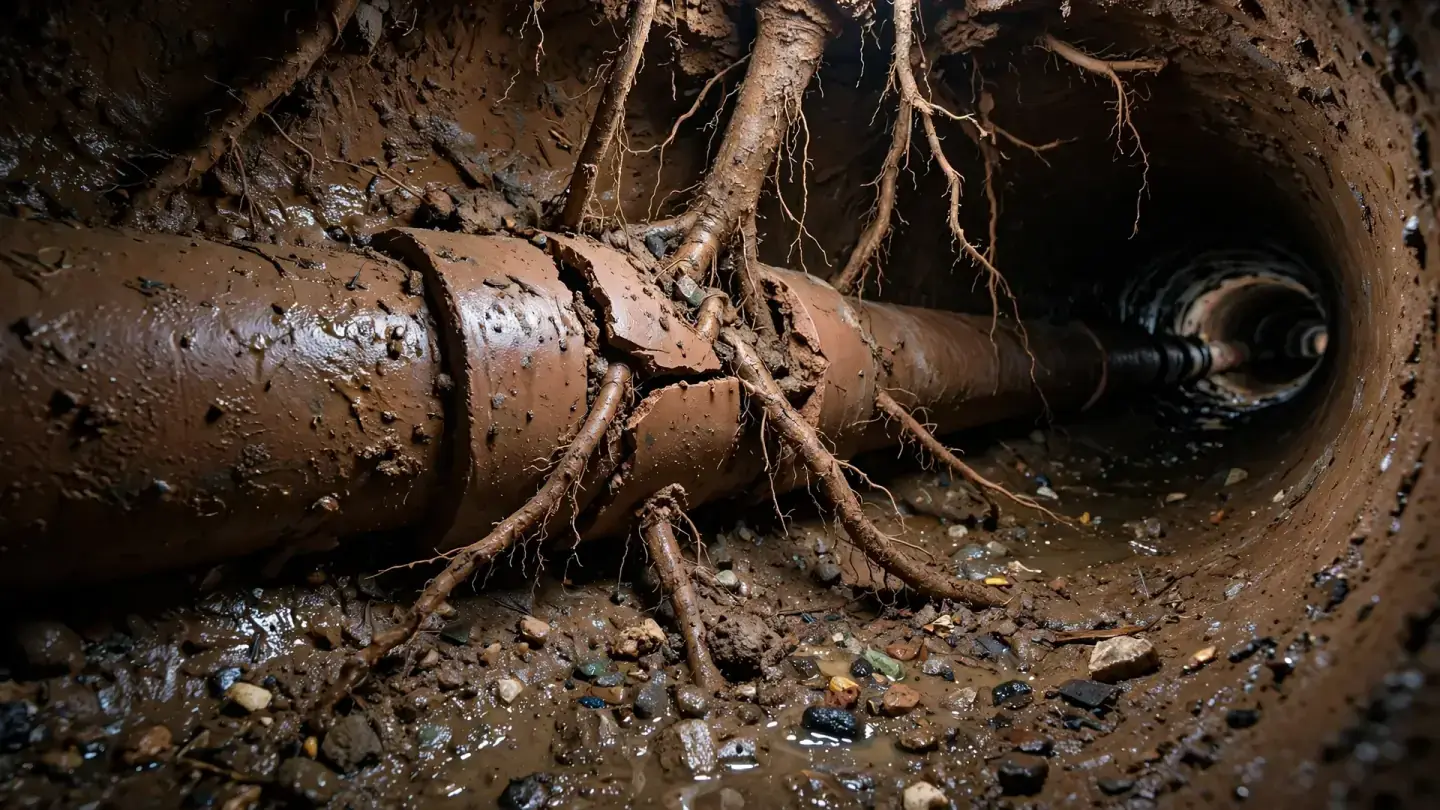
A business can avoid repeat drain emergencies with scheduled jetting of kitchen lines, regular interceptor pumping, staff training on scraping plates and using strainers, and keeping maintenance records. A camera inspection after the emergency shows whether grease, roots or a damaged section caused it. Ask the contractor what interval they suggest.